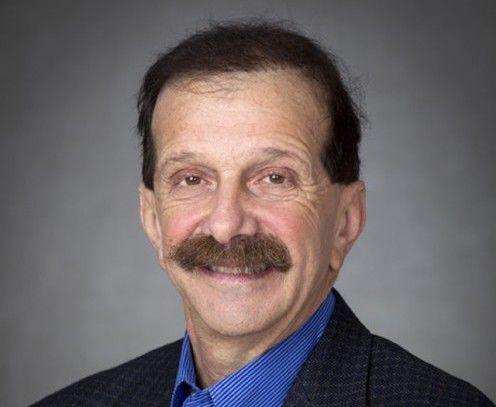
As published by Dr. Zorba Paster, Wisconsin State Journal
Memory loss. I’ve talked about this a lot before, as mom, my mother-in-law and my lovely wife, Penny, all suffered from it and slowly slid downhill.
Text Size
A
A
Reset Text

Questions? We're here for you.
Monday, June 22, 2026
As published by Dr. Zorba Paster, Wisconsin State Journal
Memory loss. I’ve talked about this a lot before, as mom, my mother-in-law and my lovely wife, Penny, all suffered from it and slowly slid downhill.
I saw how people in memory-care units are watched like a hawk, trying to make sure they don’t do something that might get them into trouble. But the problem with that is you don’t have the freedom to be yourself.
Would you like someone watching everything you do? Of course not. That lack of freedom, that lack of agency, really affects a person’s quality of life.
How can we find the sweet spot where people who have cognitive impairment but are still functional can be in a safe space — but a space that allows them to have fun?
In the Netherlands, there is a place that has changed the way many people think about dementia care, something called a Dementia Village. Agrace, a nonprofit offering hospice and palliative care services throughout southern Wisconsin, is starting a first-in-the-country version of this right here in Madison.
The idea is to change the dynamic. Yes, you want to make it a safe space, but you’d like to preserve the person’s ability to live their own life with some element of freedom. You need supervision, certainly, but instead of focusing on safety, why not give people some autonomy? That’s a critical part of one’s pleasure.
At first glance, this new village concept will look like a small neighborhood. There will be apartments, walking paths, gardens, a grocery store, a café, even a theater for movies and entertainment.
The idea is to make it secure — people won’t be able to leave the village — but also more home-like, less sterile and closer to ordinary life. With that, by the way, there may be some risks, just like there are in ordinary life. The village won’t be for everybody.
I was the medical director for the Oregon Manor Nursing Home for 40 years. When the federal government came in and said patients could not be restrained in wheelchairs but had to be given the freedom to move, even though some of them might get up, take a step and fall, we were aghast.
But with some changes, there were very few — not zero, mind you, but very few — bone fractures. I mention this because when you give people the freedom to move, yes, some of them will fall and hurt themselves but hardly any did because we adjusted. We lowered the mattresses for those who were at risk of falling.
That’s why those who are caring for a patient with memory-care needs, someone who knows them, will have to decide if this type of village setting is right for them. For the record, I would like to live in a place like that, if I ever develop dementia.
Staff members at the village will be trained not only as caregivers, but also as companions woven into daily village life. They might work in the café, help in the grocery store or casually assist residents while maintaining the rhythm of ordinary interaction.
Village residents will have freedom to come and go within a secure setting, with daily routines that feel familiar and purposeful. The physical environment and the staffing will be designed to maintain residents’ dignity and autonomy.
People living in such a setting would be able to do things spontaneously, socialize with others or just walk around the village when they want. And that will be a great bonus for those who are “slipping away.”
My spin: The Agrace Dementia Village is the first in the country to use this model, making it a groundbreaking space for those with memory challenges. Stay well.
©2026 Agrace - All Rights Reserved. | Privacy Policy