
Text Size
A
A
Reset Text
Questions? We're here for you.
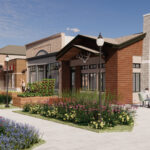
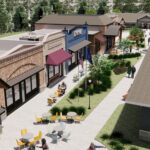
The Ellen & Peter Johnson Dementia Village at Agrace is a revolutionary project at Agrace's Madison campus, opening Fall 2027.
Agrace’s Dementia Village will be the first of its kind in the United States. It is being modeled after the internationally recognized Hogeweyk Dementia Village in the Netherlands.
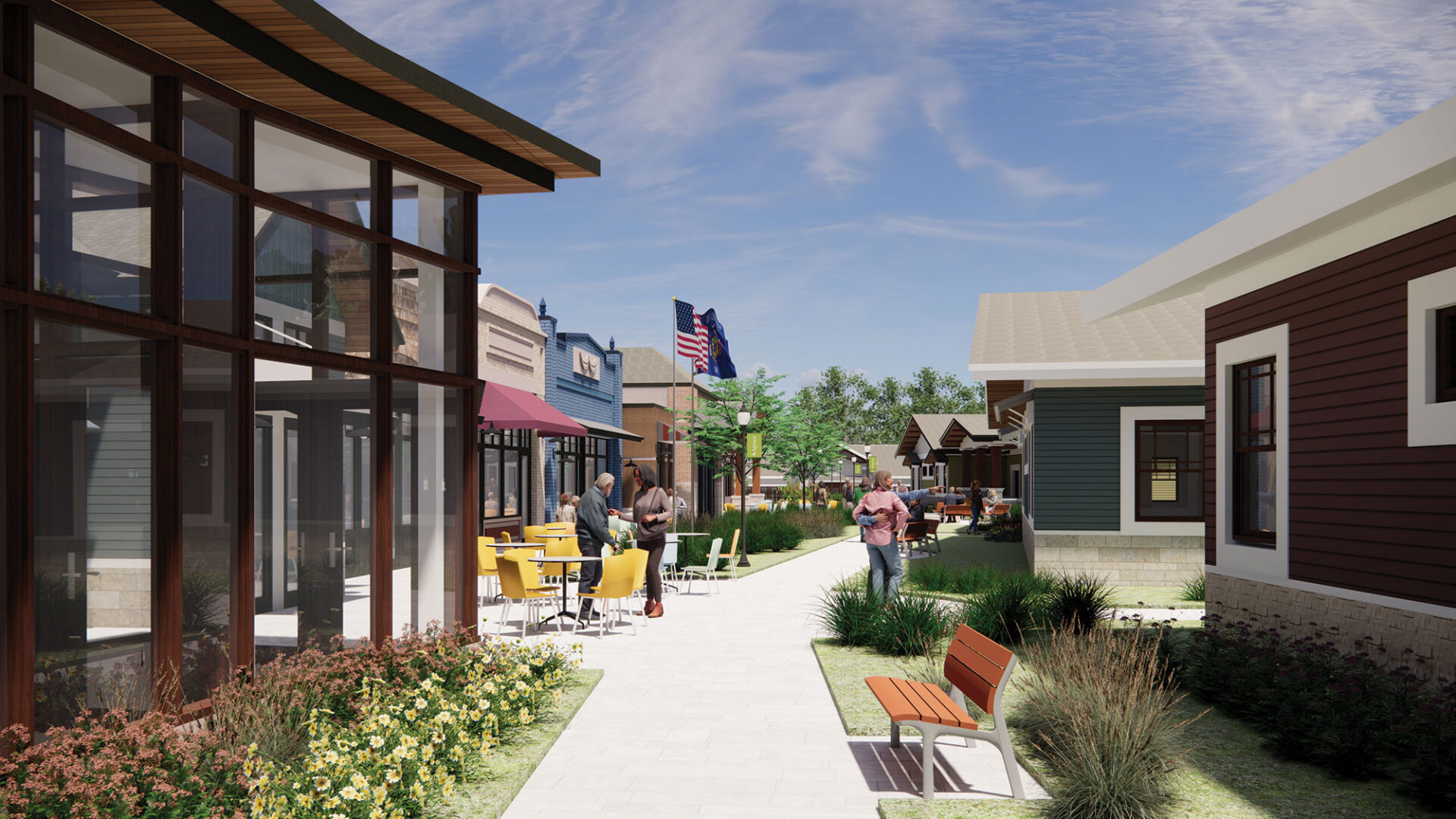
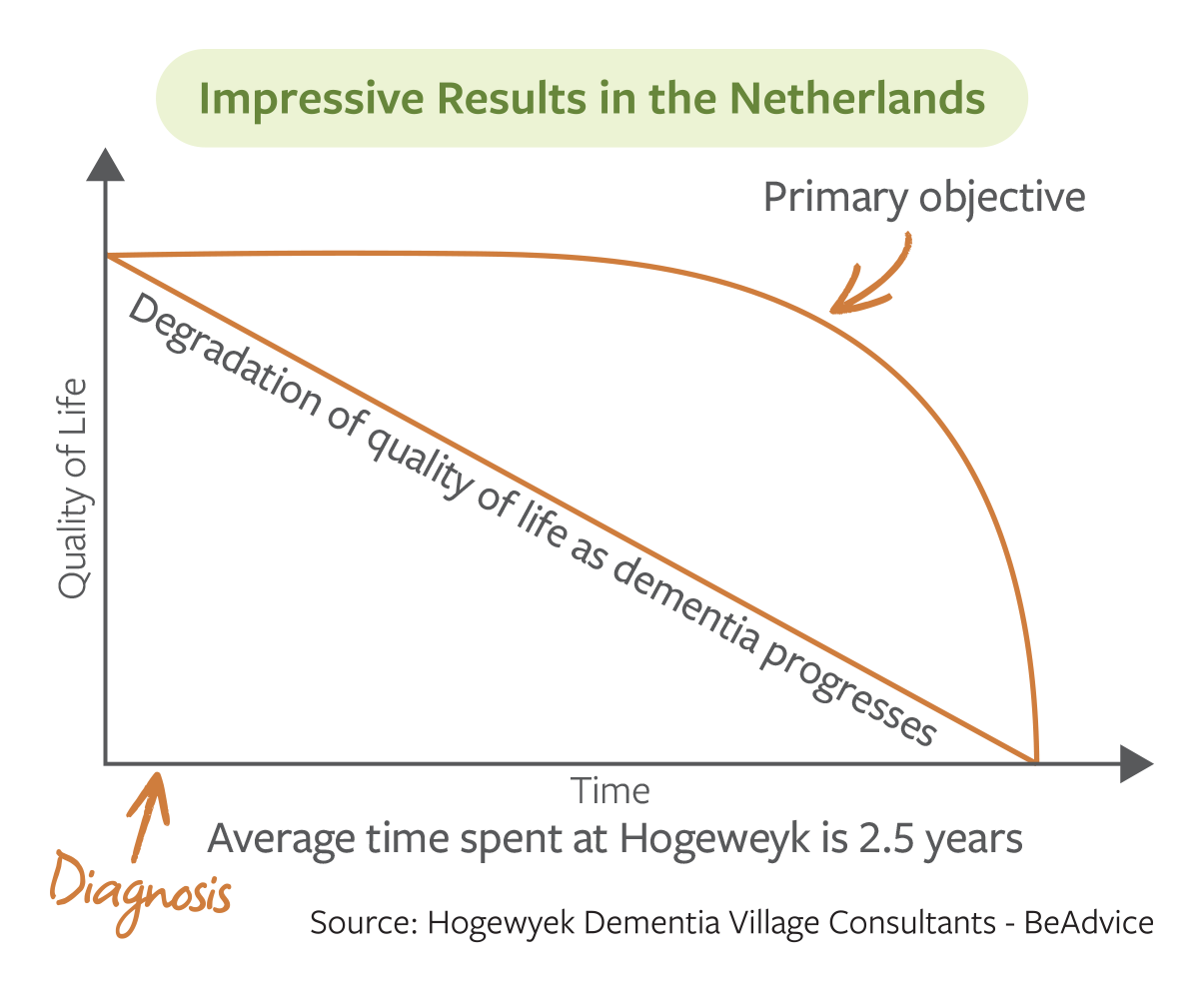 Like Hogeweyk, our model is built around residents living in small households with others who have roots in a similar lifestyle. They have freedom to come and go within a secure setting, with daily routines that feel familiar and purposeful. The physical environment, staffing approach and activities are designed to maintain residents’ dignity and autonomy, and encourage them to socialize.
Traditional memory care has long focused on residents’ safety and medical needs. Those priorities matter deeply to families and caregivers alike. However, the tradeoff is often an institutional lifestyle where residents have very little spontaneity or connection to ordinary life. Even with deeply committed caregivers, traditional memory care often limits how fully people can continue to live with purpose, personal choice and variety.
The Hogeweyk-inspired model imagines something more: a community designed around living, not just care, where people with dementia can continue to feel the rhythms of real life. This model aims to maintain the best possible quality of life for its residents and help “normal” life last longer, even as their illness progresses.
The Hogeweyk model has transformed dementia care in parts of Europe, Australia, China and Canada but has yet to take root in the United States. Agrace’s project is leading a national movement to reimagine memory care in the United States.
The need for a different approach to dementia care in southern Wisconsin has never been more urgent. Here’s why:
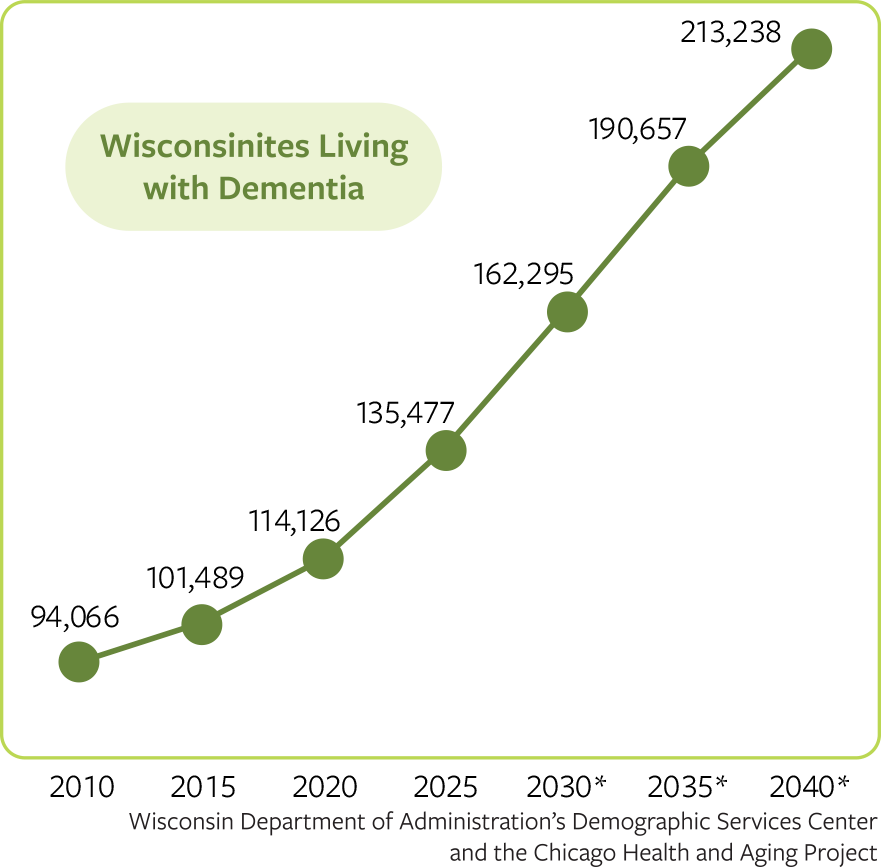 The numbers and projections are deeply concerning. At present, dementia care is plagued with limited capacity, outdated care environments and persistent waiting lists—particularly for adult day services.
Planning for the Dementia Village at Agrace began with more than two years of research into demographic trends, service gaps and family expectations. A 2023 market assessment identified a significant unmet demand for memory care units in Agrace’s primary service area—where demand is projected to grow steadily over the next decade.
As with prior Agrace expansions, the Dementia Village is a mission-driven response to clearly identified community needs. A new approach to dementia care is needed, and it’s needed now.
Agrace’s Madison campus will be transformed into a hub of care and connection among Dementia Village residents and Day Club members. Day Club refers to adults with dementia who come to participate in Dementia Village activities during the day while continuing to live at home.
 Village residents will live in small, intimate households supported by specially trained staff. Day Club members will spend their days alongside Village residents, with a strong emphasis on physical activity, social connection and time outdoors. As with Hogeweyk, Agrace’s Dementia Village is designed to support people in doing the kinds of everyday activities they would naturally enjoy if they were not living with dementia.
“Living at this campus will not feel like an institution—we are building individual households that look and feel just like a home. Residents will have eight housemates, a kitchen, their own bedroom and a living room. All the things that you have in a traditional home today will be replicated here within the village,” says Agrace President and CEO Lynne Sexten. “The village will be thoughtfully designed to support those with dementia to keep them safe while providing them with access to a robust social network they can be excited about participating in.”
The Dementia Village will also include on-site housing (private studio living spaces), for Dementia Village household caregivers. The goal is to attract caregiving professionals who prefer meaningful, relationship-based work, and to prevent the type of staffing shortages too common in the long-term care sector.
Agrace’s campus has long been—and will remain—a trusted home for compassionate inpatient hospice care. This expansion will transform the campus into an even more vibrant community resource. In addition to the Dementia Village, the campus updates will include a Grief Support Center that will host grief support groups and grief education programs that are open to anyone in local area who needs those services.

Ellen and Peter Johnson
The vision for Agrace’s Dementia Village is being fulfilled in large part with a $7 million lead gift from Ellen and Peter Johnson. The Johnsons are Madison-based philanthropists and major donors to a 2006 expansion of inpatient hospice facilities at Agrace.
“The need is so incredible, and this project demonstrates that Agrace is a leader in memory care. To be able to say that Madison is going to have this extraordinary project is something that the whole community can be very, very proud of and we’re delighted to be a part of it.”
—Ellen and Peter Johnson
The Johnsons are joined by dozens of other generous donors who have already invested in the Revolutionizing Life with Dementia campaign, a $32 million community capital campaign. This campaign has strong early momentum, and Agrace will continue to build community support by inviting others to be part of this groundbreaking care model.
If you would like to learn more about investing in this effort, please contact Beth Larson, chief development officer, at Beth.Larson@agrace.org.
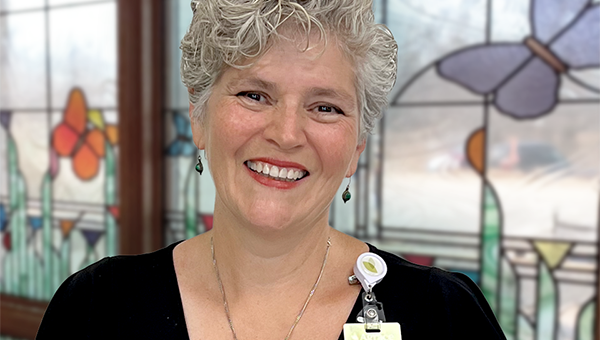
The Dementia Village will follow a “social model” of care that encourages social interaction as a path to the best possible quality of life. In the videos below, you can hear from our physician leaders and executive director what to expect when it comes to medical care, psychiatric care, activities and daily life for our residents. Each video is about 4 minutes long.
How will medical care be provided?
How might medical care change?
Why provide care on site?

How will psychiatric care be provided?
How will we balance medications with other interventions?

Resident and Day Club activities
How will activities support quality of life?
How will medications be managed?
What are some benefits of taking fewer medications?
Will residents have access to hospice care?
Why provide “whole-person” care?
How will we monitor cognitive decline?
If you’re a family member or caregiver of a person who has dementia and need support today, Agrace also offers Dementia Care Consultations. Our dementia support specialist can meet with you to offer information and guidance, including which other Agrace services and other community resources may be most helpful.
To request a Care Consultation, please click below and select “Dementia Care Consultations,” or call (608) 276-4660.
Request a ConsultationSign up to receive email updates about the progress of the the Dementia Village project or be contacted by Agrace about future waitlist opportunities
Sign up for Emails
Check out global media coverage for the Ellen & Peter Johnson Dementia Village at Agrace
Read the Latest News©2026 Agrace - All Rights Reserved. | Privacy Policy